
Leave your Message

-
Yongqi Chen sales consultant
-
Phone/WhatsApp: +86 13187012919
13×6 Lace Front Wigs Wholesale: A Complete Buying Guide for Wig Businesses
If you are looking for 13×6 lace front wigs wholesale for your wig store, salon, beauty supply business, or online hair brand, understanding the product specifications before placing a bulk order is extremely important.
For businesses sourcing lace front wigs wholesale, the 13×6 construction is especially attractive because it provides a deeper parting area and greater styling flexibility.
Compared with smaller lace constructions, a 13×6 lace front wig provides a wider and deeper lace area, giving customers more room to create natural-looking parts and different hairstyles. However, wholesale buyers also need to consider hair quality, lace type, density, length, cap construction, MOQ, customization, and supplier reliability.
This complete buying guide explains what wig businesses should know before purchasing 13×6 lace front wigs in bulk.
1. What Are 13×6 Lace Front Wigs?
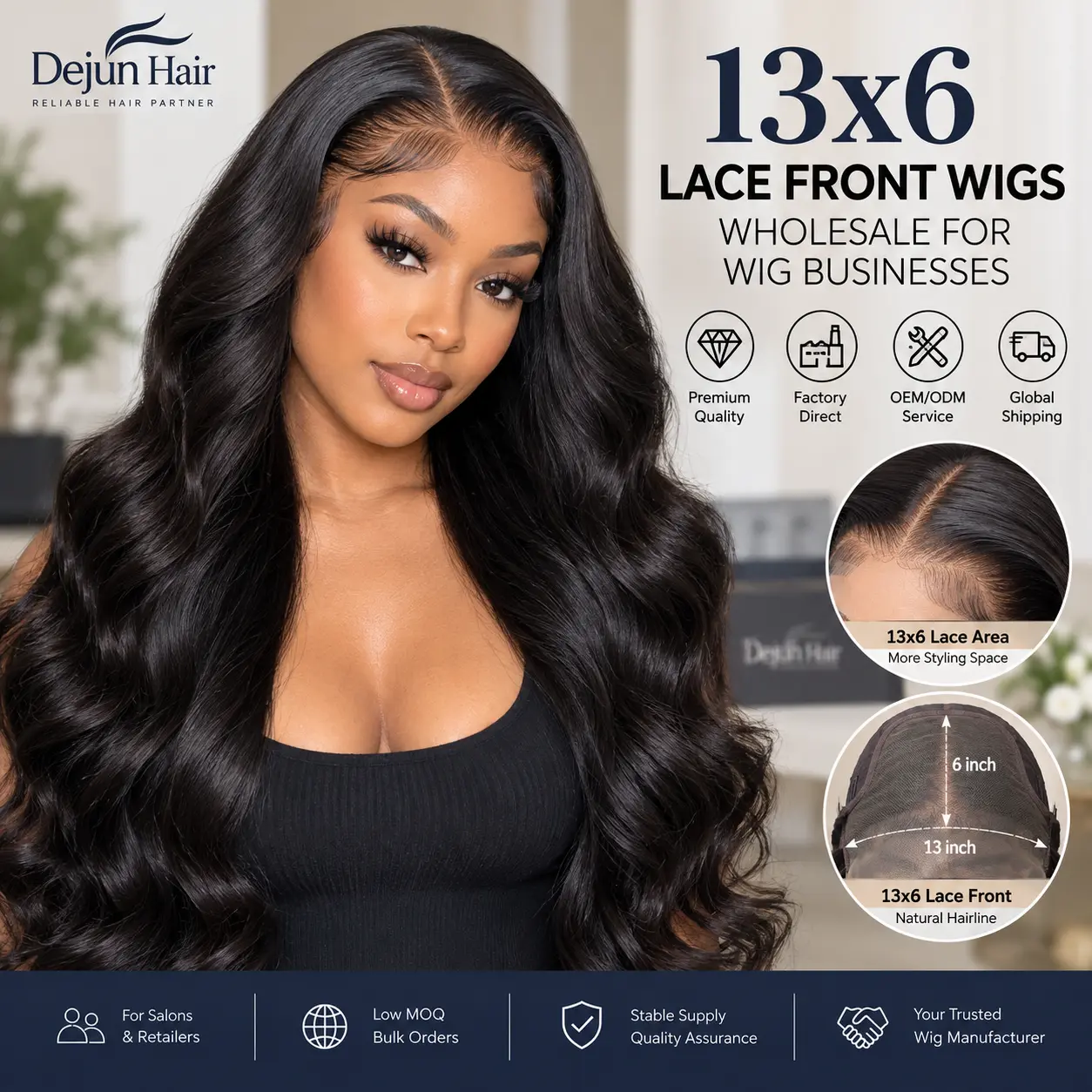
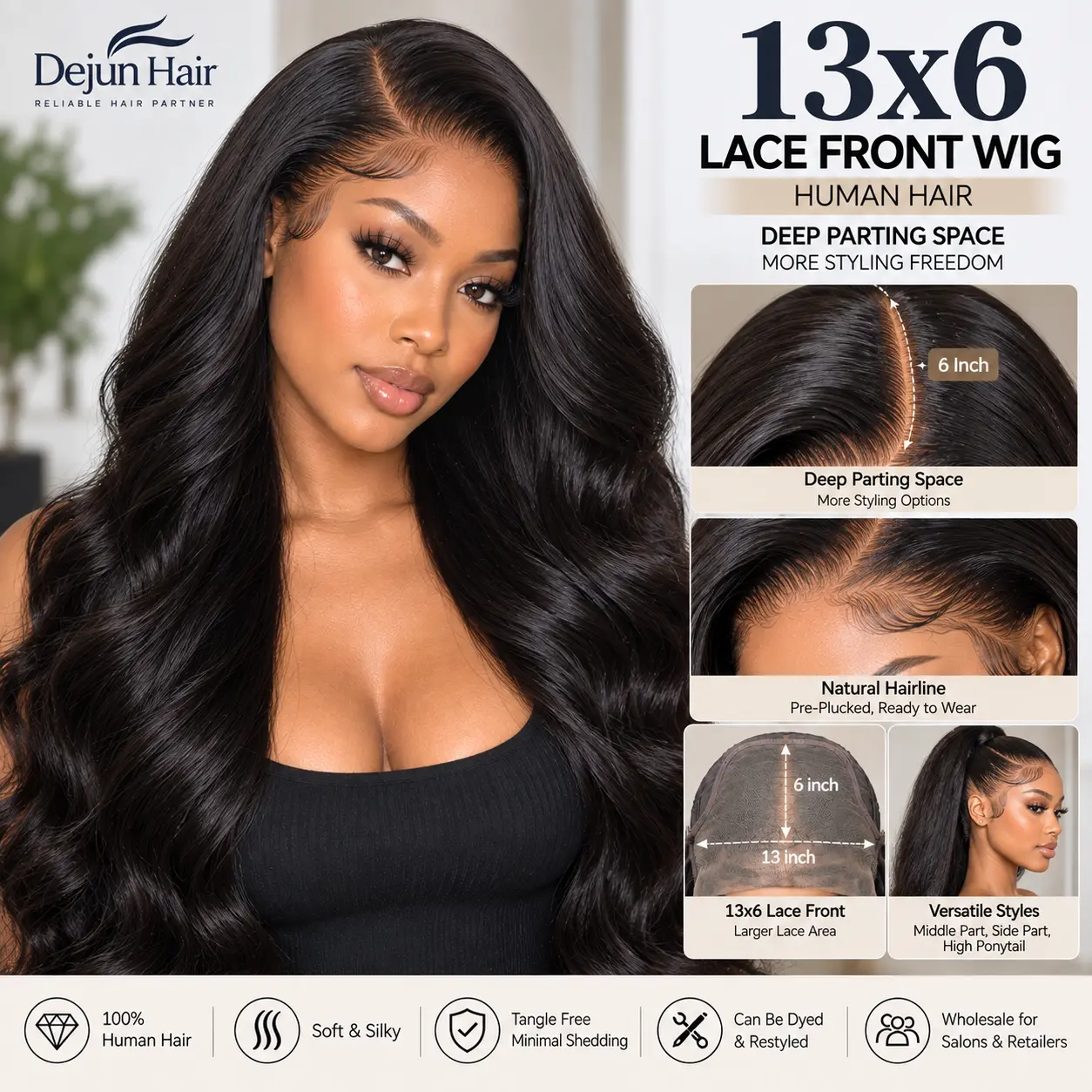
A 13×6 lace front wig uses a lace section that is approximately 13 inches wide across the front hairline and extends about 6 inches backward into the top of the wig.
The larger lace area is the main feature that separates a 13×6 lace front wig from smaller lace constructions.
For wig businesses, understanding these dimensions is important because lace size directly affects styling flexibility, product cost, and the type of customer you can target.
13-Inch Front Lace Area
The 13-inch width is designed to extend across the front hairline from around ear to ear.
This creates a natural-looking front hairline and gives the wearer more flexibility when styling the front section.
For retailers, the natural hairline is also an important selling point because many customers purchasing lace wigs pay close attention to how realistic the front of the wig looks.
6-Inch Deep Parting Space
The second number refers to the approximate depth of the lace.
With around six inches of lace extending backward from the hairline, customers have considerably more parting space than they would get from smaller lace closures.
Depending on the wig construction, this allows customers to create middle parts, side parts, and deeper parting styles.
13×6 vs. 13×4 Lace Front Wigs
Wholesale buyers frequently compare 13×6 and 13×4 wigs.
The biggest difference is the depth of the lace area.
A 13×4 lace front wig provides approximately four inches of parting depth, while a 13×6 construction extends approximately six inches.
That additional space gives 13×6 wigs greater styling flexibility.
However, the larger lace area normally requires more hand ventilation and production work, so 13×6 wigs can also cost more than comparable 13×4 products.
For wig businesses, this means you should not automatically replace your entire 13×4 inventory with 13×6 wigs. Instead, consider the customer segment and retail price range you want to target.
2. Common Questions About 13×6 Lace Front Wigs Wholesale
Are 13×6 Lace Front Wigs Good for Wig Businesses?
Yes, particularly for businesses serving customers who value natural-looking hairlines and flexible styling.
The deeper lace section gives retailers an easy product benefit to explain to customers: more parting space and more styling freedom.
They can work especially well for:
- Wig boutiques
- Hair salons
- Beauty supply stores
- Independent wig websites
- Social media hair sellers
- Private-label wig brands
- Wholesale distributors
However, product quality remains more important than lace dimensions alone. A poorly ventilated 13×6 wig with low-quality hair will not automatically become a premium product simply because it has a larger lace area.
Should I Buy Human Hair or Synthetic 13×6 Lace Wigs?
That depends on your target customer and selling price.
Human hair 13×6 lace wigs are generally more suitable for businesses targeting customers who prioritize natural appearance, styling flexibility, and longer-term wear.
Human hair can usually be curled, straightened, and restyled, while suitable virgin human hair can also offer additional coloring possibilities.
Synthetic wigs can provide a lower entry price and may work better for fashion-focused stores or customers who frequently change hairstyles.
If your business focuses primarily on premium lace wigs, wholesale human hair wigs will usually provide a stronger foundation for developing your 13×6 collection.
3. Benefits of Buying 13×6 Lace Front Wigs Wholesale
Purchasing 13×6 lace front wigs in bulk can provide several advantages for salons, distributors, beauty stores, and online wig businesses.
Better Styling Flexibility
The deeper lace area gives customers more freedom when creating different parting positions.
This makes 13×6 wigs attractive to customers who regularly change hairstyles rather than wearing exactly the same part every day.
Natural-Looking Hairline
A well-made lace front wig can create the appearance that individual hairs are growing from the scalp around the front hairline.
When combined with appropriate lace color, carefully ventilated knots, and a properly designed hairline, the result can look significantly more natural.
Higher-Value Product Positioning
Because 13×6 construction requires a larger lace area than smaller lace-front designs, these wigs can be positioned as a more premium option within a retailer’s product range.
For example, a store could build a product ladder using:
Closure Wigs → 13×4 Lace Front Wigs → 13×6 Lace Front Wigs → Full Lace Wigs
This gives customers several price and styling options rather than forcing every buyer into the same product category.
More Private-Label Opportunities
Wholesale buyers do not necessarily have to purchase standard factory designs.
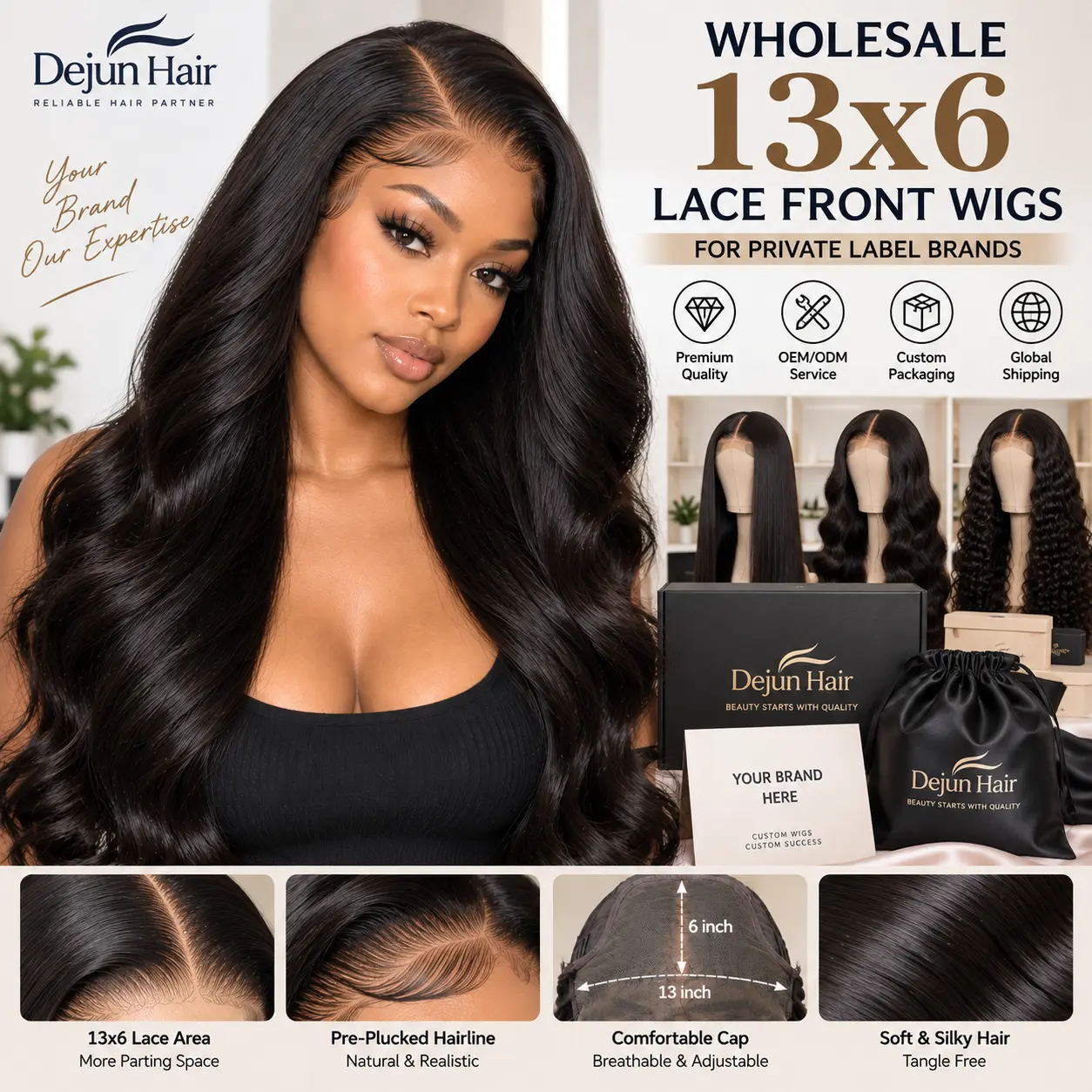
Working with a manufacturer offering Wigs OEM & ODM services allows businesses to customize elements such as hair texture, length, density, lace, cap construction, labels, and packaging.
This is particularly useful when you want to transform generic wholesale products into a recognizable wig collection under your own brand.
4. How to Buy 13×6 Lace Front Wigs Wholesale
Buying wholesale wigs should involve more than asking a supplier for their lowest price.
For a sustainable wig business, product consistency and supplier reliability can be just as important as the initial unit cost.
Here is a practical purchasing process.
Step 1: Decide Your Hair Material
Start by deciding what type of customer you want to serve.
For premium products, human hair is usually the first category to consider.
Ask the supplier exactly what hair material is being quoted instead of accepting vague descriptions such as “high-quality hair.”
Clarify whether the product uses:
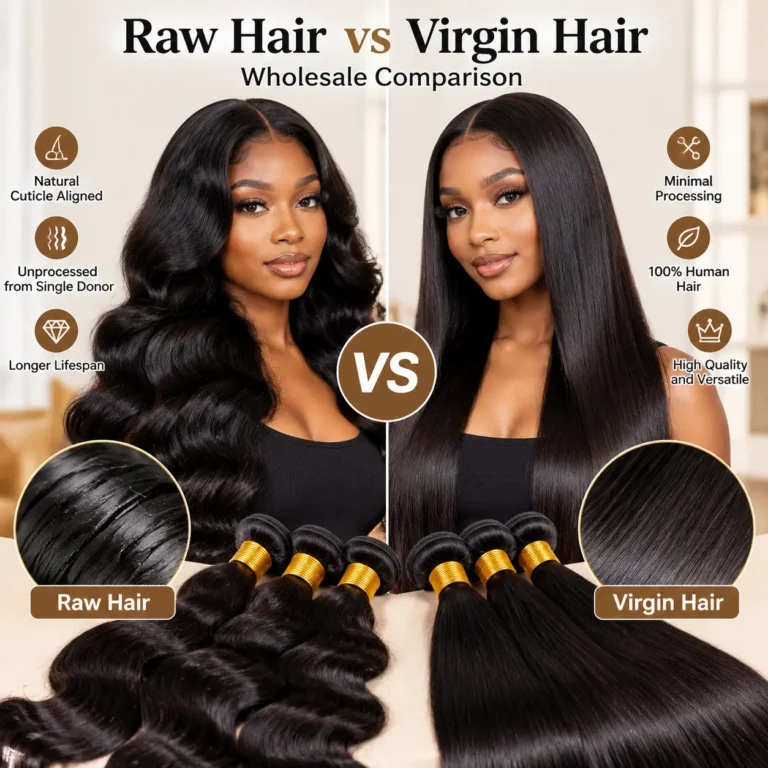
- Remy human hair
- Virgin human hair
- Raw human hair
- Processed human hair
- Synthetic fiber
Your quotation should clearly identify the material.
Step 2: Choose the Right Hair Texture
Next, determine which textures match your customer base.
Common options include:
- Straight
- Body wave
- Deep wave
- Loose wave
- Water wave
- Curly
- Kinky straight
- Kinky curly
New businesses should avoid ordering too many combinations immediately.
Starting with a limited number of proven textures allows you to collect actual sales data before expanding the collection.
You can also study current wholesale human hair and glueless lace wig trends when planning future inventory and product categories.
Step 3: Select Wig Lengths
Length has a major impact on wholesale cost.
A practical trial order might include several popular lengths instead of purchasing large quantities of every available option.
For example, you could test shorter, medium, and longer lengths and compare their sell-through rates.
Once you identify your strongest lengths, future bulk orders can concentrate inventory on those SKUs.
Step 4: Confirm Hair Density
Density determines how full the finished wig appears.
Common wholesale specifications may include 150%, 180%, 200%, or other customized densities.
Do not evaluate density by the percentage printed on a specification sheet alone.
Ask for samples and physically evaluate the distribution of hair across the cap.
Two suppliers may both advertise “180% density” while delivering noticeably different finished products.
Step 5: Check the Lace Quality
Lace quality is one of the most important purchasing points for a 13×6 lace front wig.
Before confirming a bulk order, inspect:
- Lace softness
- Lace color
- Transparency
- Knot size
- Hairline construction
- Ventilation
- Parting area
- Lace durability
The lace should work with the skin tones of your target customers.
If you sell to several markets, discuss multiple lace options with your manufacturer rather than assuming one lace specification will suit every customer.
Step 6: Inspect the Hairline and Knots
A natural-looking hairline can strongly influence how customers perceive the quality of a lace wig.
Ask your supplier whether they can provide options such as:
- Pre-plucked hairlines
- Customized hairline shapes
- Baby hair
- Smaller knots
- Bleached knots
These details can help differentiate a private-label collection from basic wholesale products.
Step 7: Order Samples Before Bulk Production
Never evaluate a new supplier exclusively through catalog photos.
Order physical samples first.
When your samples arrive, test them as an actual customer would.
Check:
- Hair softness
- Shedding
- Tangling
- Lace quality
- Cap construction
- Hairline appearance
- Density
- Length
- Curl or wave consistency
- Washing performance
- Heat styling performance
If you plan to sell premium human hair wigs, consider washing and restyling the sample several times before approving mass production.
This gives you a much better idea of how the product may perform once customers start using it.
Step 8: Ask About MOQ
Minimum order quantity can significantly affect inventory risk.
Large MOQs may reduce unit costs, but they also require more capital and make it harder to test new styles.
For new businesses, flexible or low-MOQ ordering can therefore be more valuable than achieving the absolute lowest unit price.
Start with several carefully selected styles, analyze sales performance, and increase quantities when you have actual demand data.
Step 9: Discuss Private Label Customization
If you are building your own wig brand, discuss branding before production starts.
A professional private label wig manufacturer may be able to customize:
- Brand labels
- Logo tags
- Wig packaging
- Care cards
- Hair texture
- Density
- Length
- Lace specifications
- Cap construction
Keeping the product and packaging customization with the same manufacturer can also simplify your supply chain.
Step 10: Establish Quality Standards Before Production
Do not wait until the shipment arrives to decide what counts as acceptable quality.
Before production, document your specifications clearly.
Your purchase order should identify the agreed hair material, length, density, texture, color, lace specifications, cap size, packaging, quantity, and other customized requirements.
For repeat orders, keep an approved sample as your reference standard.
Step 11: Inspect the Bulk Order
The bulk shipment should be compared with the approved sample.
Randomly inspect units from different cartons, not just the easiest to access.
Look for consistency in:
- Hair length
- Hair density
- Color
- Texture
- Lace dimensions
- Cap construction
- Hairline
- Packaging
This step becomes increasingly important as your order quantity grows.
Step 12: Build a Reorder Strategy
Your first wholesale order should provide information for the second.
Track sales by:
- Texture
- Length
- Density
- Color
- Price
- Customer type
Products that sell quickly can receive larger reorder quantities.
Slow-moving combinations can be reduced or discontinued.
This approach allows you to gradually build an inventory structure based on real customer demand instead of assumptions.
5. Practical Results for Wig Businesses
A structured 13×6 lace front wig purchasing strategy can produce several practical business outcomes.
Result 1: Lower Inventory Risk
Instead of ordering every length, density, and texture in large quantities, businesses can begin with selected combinations and smaller trial orders.
Sales data from the initial batch can then determine which products deserve larger reorders.
This reduces the amount of capital tied up in slow-moving inventory.
Result 2: More Consistent Product Quality
Sample approval, written specifications, and pre-shipment inspection create clear standards between the buyer and manufacturer.
Rather than relying only on supplier descriptions, you establish measurable requirements for each production run.
That consistency becomes especially important as your business generates repeat customers.
Result 3: A Stronger Private-Label Product Line
Once you identify the 13×6 styles that perform well, you can move beyond standard wholesale products.
Custom density, textures, hairlines, labels, and packaging can turn your best-selling specifications into a more distinctive private-label collection.
Instead of competing only on price, your business can develop products around the preferences of its own customer base.
How to Choose a Reliable 13×6 Lace Front Wig Supplier
A reliable wholesale supplier should be able to clearly explain what you are purchasing.
Before placing a significant order, ask about manufacturing experience, hair materials, lace options, MOQ, samples, production lead time, quality control, customization capabilities, and after-sales policies.
Factory customization is particularly useful if you intend to build a long-term brand rather than simply resell standard inventory. Dejun’s Wigs OEM & ODM service, for example, covers lace wig customization alongside private-label production for wholesale buyers.
The goal is not simply to find the cheapest 13×6 wig.
The goal is to establish a repeatable supply chain that can consistently deliver the specifications your customers expect.
Conclusion
13×6 lace front wigs wholesale can be an important category for wig businesses targeting customers who want natural-looking hairlines, deeper parting space, and greater styling flexibility.
Before purchasing in bulk, carefully evaluate hair material, texture, density, length, lace quality, cap construction, MOQ, customization, and supplier quality control.
Start with samples, establish clear product specifications, test your market with manageable quantities, and increase your orders according to actual sales performance.
For businesses developing their own collection, working directly with a manufacturer that supports OEM, ODM, and private-label customization can make it easier to turn successful 13×6 wig specifications into a scalable branded product line.
Industry reference resources related to wholesale wig manufacturing :
https://wealthyhair.com/the-ultimate-guide-to-buying-wholesale-lace-front-wigs?srsltid=AU7gw4VXkJVBzRxTQ87nzwq7pVw0et_SPuPLuAXpYaRDdRiOs4Nf9hRw

High Quality
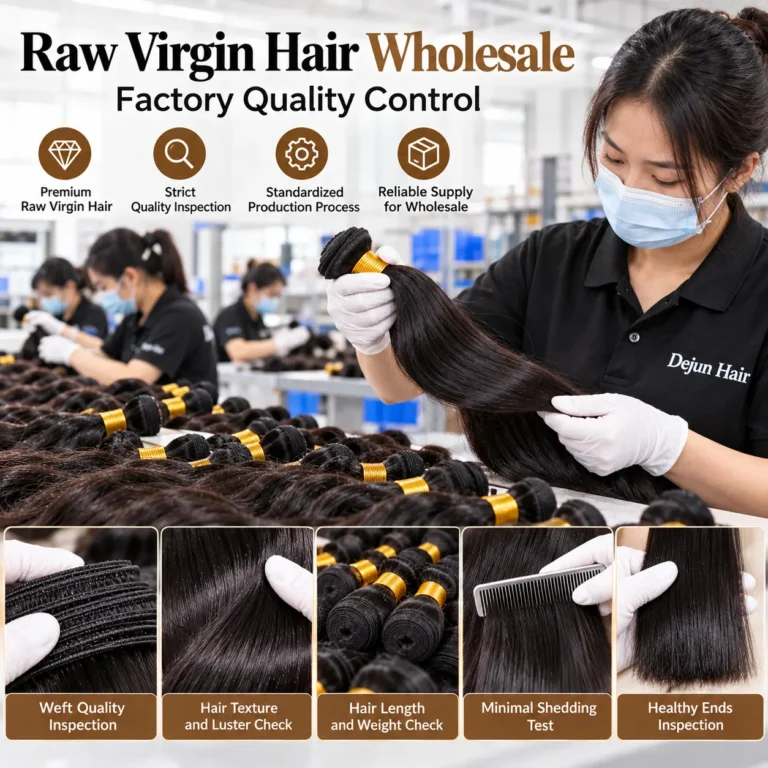
All of our products have undergone production and quality control and come with certificates
Fast Delivery
Our supply chain management is a model of standardization and professionalism in the wig manufacturing industry, ensuring that our customers receive their wigs on time.
Customer Service
Fill out the wig order form to customize your base, size, hair length, and color.