
Leave your Message

-
Yongqi Chen sales consultant
-
Phone/WhatsApp: +86 13187012919
Young Adults’ Wig Buying Guide: What Wholesale Buyers Need to Know
As the pressures of modern life continue to mount, hair loss has become a problem plaguing many young people, and wearing wigs is no longer exclusive to middle-aged and elderly individuals.
At the same time, driven by the need for specific hairstyles and looks—such as for anime cosplay or Hanfu—many young people are also willing to purchase decorative wigs to express their unique personal styles. With demand constantly on the rise, an ever-increasing variety of wig products has flooded the market, making it difficult to choose.
Below, Dejun Wigs Manufacturer will walk you through the Wig Buying Guide.
Wig Buying Guide: Types of Wigs
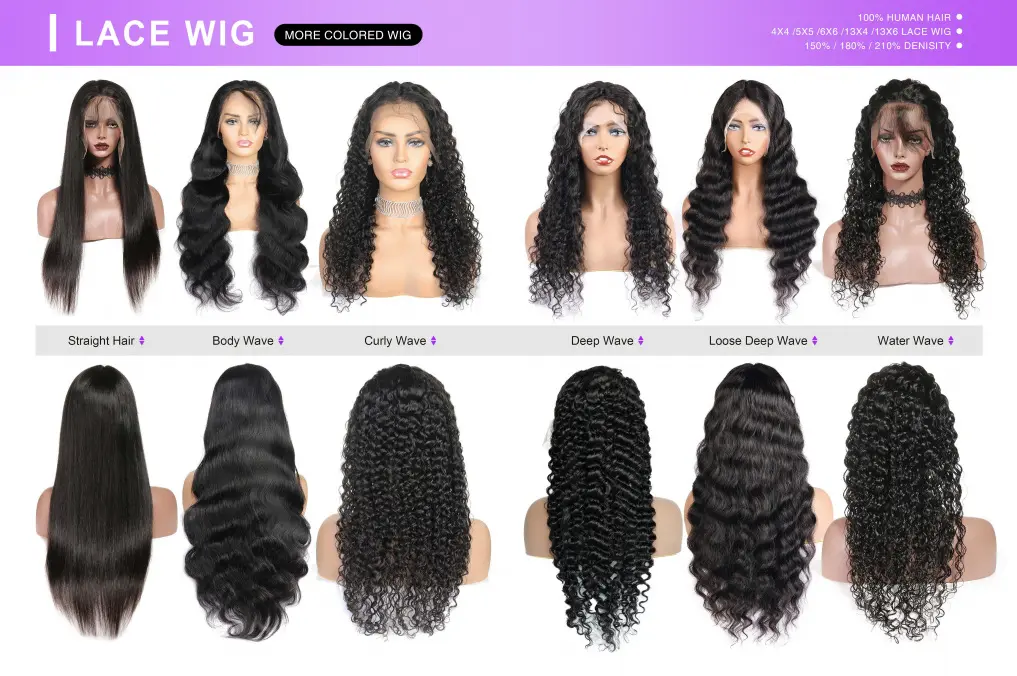
Wigs, also known as hair products, refer to items made primarily from human hair, synthetic fibers, or other types of hair through a manufacturing process. Wigs can be categorized in various ways. This is the first step in the Wig Buying Guide.
By material: human hair, synthetic hair, chemical fiber hair, and blended hair products, etc.
By cap construction: machine-woven caps, lace caps, hand-tied wigs, MONO wigs, PU wigs, etc.
By function and coverage: hairpieces, wigs, hair blocks, accessory hair, and training heads, etc.
Wig Buying Guide: Quality Requirements for Wigs
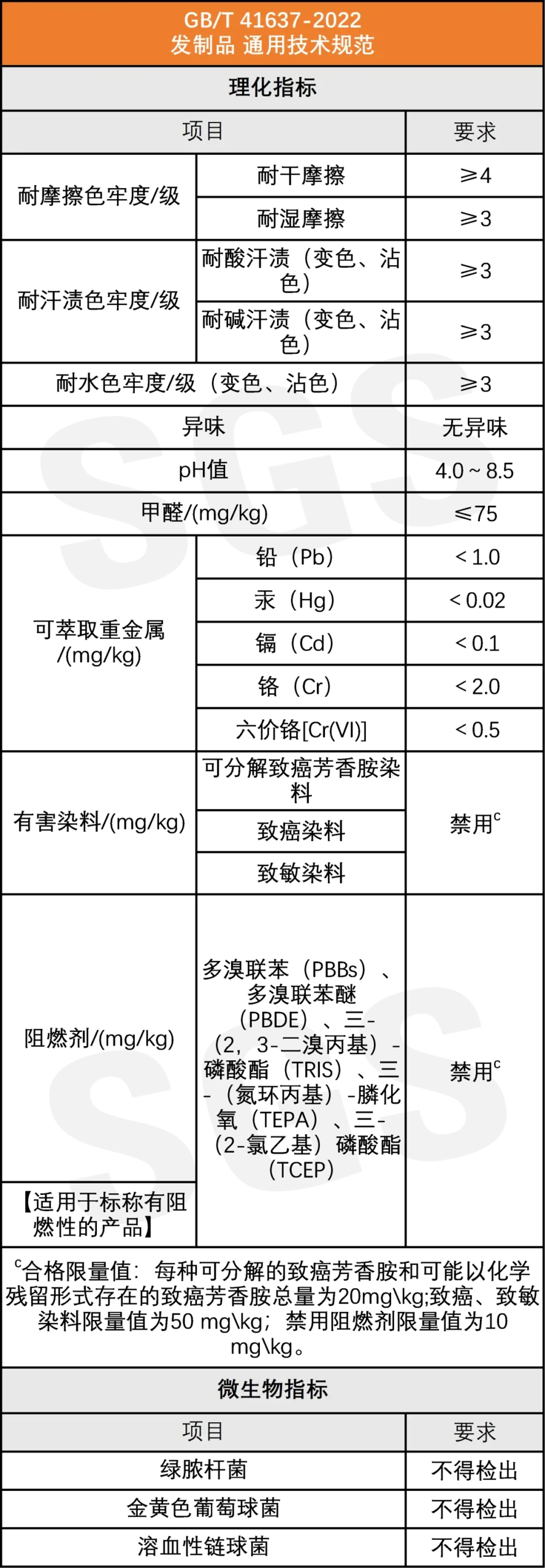
The main standards applicable to wig products are GB/T 23170-2019 “Hair Products—Wig Caps and Headwear” and GB/T 41637-2022 “Hair Products—General Technical Specifications.”
Specifically, the GB/T 23170-2019 standard applies to wigs and hair accessories manufactured from human hair, chemical fibers, and other types of hair; the GB/T 41637-2022 standard applies to all types of hair products, except those intended for infants and children.

Wig Buying Guide: Wig Manufacturing Processes
Wig manufacturing techniques are divided into machine-made and hand-woven; hand-woven wigs are further categorized into and.
Machine-made wigs have the lowest production costs and are the most affordable. They typically do not use braided hair and are commonly chosen for cosplay or by the elderly.
Hand-woven wigs involve labor, which significantly increases costs. There is a particularly large price difference between those made in North Korea and those made domestically, though this also depends on the artisan’s skill.
Among these, single-layer mesh is relatively cheaper—especially 60-mesh, which is often used for entry-level models; No. 3 mesh and 0.1-mesh tend to be more expensive.
Needle-weaving, as the hand-woven technique offering the best realism, durability, and comfort among wigs, has the highest production costs and the highest price, requiring the most skilled craftsmanship from the artisans. Particularly for the hairline, different hairline techniques involve distinct crocheting methods, resulting in significant price variations.
In short, every product has its corresponding price. If it’s excessively expensive or absurdly cheap, it’s either a scam or a rip-off.
Different Names for Wig Base Nets
The most common types of base nets are lace base nets and bio-scalp base nets, but many sellers use different terms to describe them.
For example, “bio-scalp” is sometimes called “bionic membrane,” “simulated scalp,” “ultra-thin bio-membrane,” and so on.
When buying a wig, don’t let fancy names fool you.
For example, there’s a base called “rose base”—it sounds quite upscale, doesn’t it? In reality, it’s just the cheapest type of machine-woven base.
Wig Hair Quality
- The term “synthetic fibers” almost always refers to high-temperature fibers. Many wig brands mix a certain proportion of synthetic fibers into human hair to make styling easier.
- Then some wigs use protein fibers. These are relatively expensive and are commonly used in hairpieces; they’re considered high-end products. Their biggest advantage is that they’re resistant to bending—you can toss them in your pocket and put them on right away. They’re often used in hairpieces.
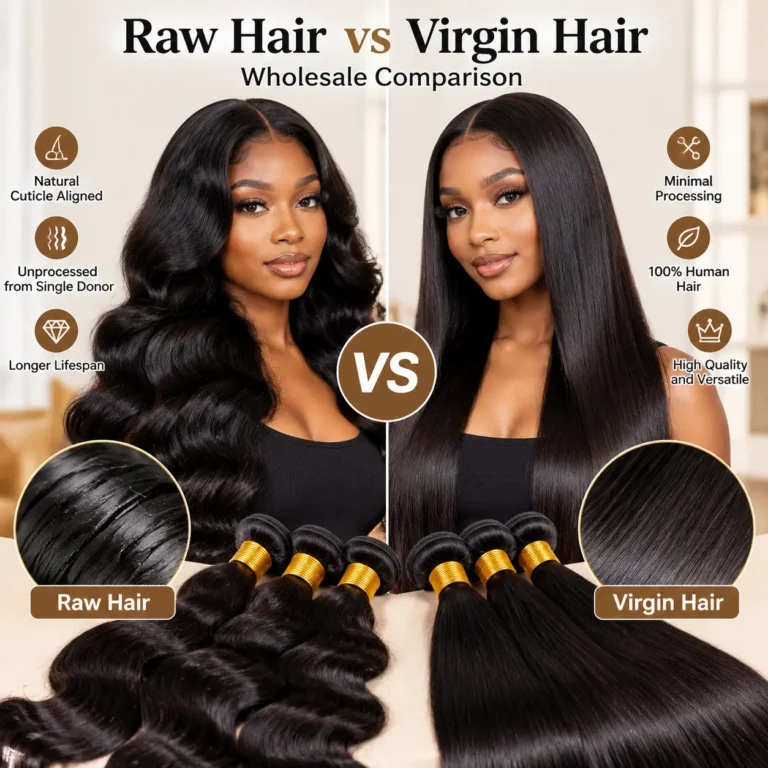
- Finally, there’s human hair. It feels authentic to the touch but is also more expensive and is often used for essential needs, such as hair loss.
Human hair is further categorized into soaked hair, shaved hair, straightened hair, and braided hair, with prices increasing in that order.
If you’re buying human hair, be sure to ask the seller whether the wig can be permed or dyed—human hair wigs can generally handle these treatments without issue.
Speaking of dyeing, if you’re looking for trendy colors, remember to ask if the hair is its natural color; only natural-colored hair can be lightened.
Ways to Secure a Wig
There are three methods: adhesive sheets, glue, and clips.
In terms of invisibility and security: glue > adhesive sheets > clips. Of course, you should also consider your hair volume, hairstyle, and even your own comfort level when choosing a method.
The Dangers of Substandard Wigs
Common substandard features in wig products and their risks:
【Non-Compliant pH Level】pH describes the acidity or alkalinity of an aqueous solution and is denoted by the symbol pH. Typically, the surface of human skin is slightly acidic to maintain microbial balance and prevent the invasion of pathogenic bacteria; therefore, maintaining the pH of hair products between slightly acidic and neutral is more beneficial for protecting the body. When wig products are found to be highly acidic or alkaline, they can irritate and corrode the skin, leading to skin inflammation.
【Excessive Formaldehyde Levels】Formaldehyde is a highly toxic substance that has been classified by the World Health Organization as a Group 1 carcinogen. Studies have shown that long-term exposure to low concentrations of formaldehyde can cause chronic respiratory diseases, nasopharyngeal cancer, colon cancer, brain tumors, menstrual disorders, genetic mutations in cell nuclei, single-strand DNA cross-links, cross-links between DNA and proteins, inhibition of DNA damage repair, pregnancy complications, chromosomal abnormalities in newborns, leukemia, and memory or intellectual decline in adolescents.
[Excessive Levels of Extractable Heavy Metals] If a wig contains extractable heavy metals exceeding regulatory limits, these substances—once leached by sweat and absorbed through prolonged skin contact—are difficult to expel from the body. They can interact with proteins and enzymes, rendering them inactive, and may accumulate in certain organs. In severe cases, this can lead to acute poisoning or even cancer.
Excessive levels of harmful substances in wigs are typically caused by manufacturers using substandard dyes or reagents, failing to meet production standards, or not thoroughly rinsing the wigs before setting the final style.
Using substandard products may endanger the wearer’s health, so it is especially important to follow the Wig Buying Guide to select qualified wigs.
Wig Buying Guide Summary
· Quality and Safety: It is recommended to purchase from reputable sources whenever possible, prioritizing quality and safety. When selecting a product, first check the product name, materials and their percentages, specifications, color, quality, washing and care instructions, applicable standards, and the manufacturer’s name and address. Avoid purchasing “three-no” products to prevent potential health and safety risks.
· · Material Quality: Carefully inspect the product’s appearance, including hair color, curl, texture, and arrangement, and ensure it is clean and odor-free. Since there is a significant cost difference between wigs made of human hair and synthetic fibers, consumers who are able to do so can verify whether the product is made of human hair or synthetic fibers by examining the smell and residue produced when burned. You can also try gently combing the wig with your fingers five times to observe hair shedding and assess its durability.
· · Aesthetics and Comfort: Whenever possible, try on the wig to determine if it is the right size, comfortable to wear, breathable, and looks natural and harmonious. Choose the appropriate cap, hairstyle, and hair color based on your face shape, skin tone, hair condition, and intended use. Select products of different types and price ranges according to your budget.
· · Precautions: Before using a newly purchased wig, it is recommended to soak it in clean water or a neutral detergent, let it air dry, or have it professionally cleaned and conditioned to minimize the risk of harm from harmful substances. For daily use, it is recommended to clean and care for the wig regularly according to the product instructions and to store it in a well-ventilated, dry place. If you notice mold, mildew, or an unusual odor, stop using the wig immediately. If you experience any discomfort while wearing the wig, stop using it immediately and seek medical attention if necessary.
High Quality
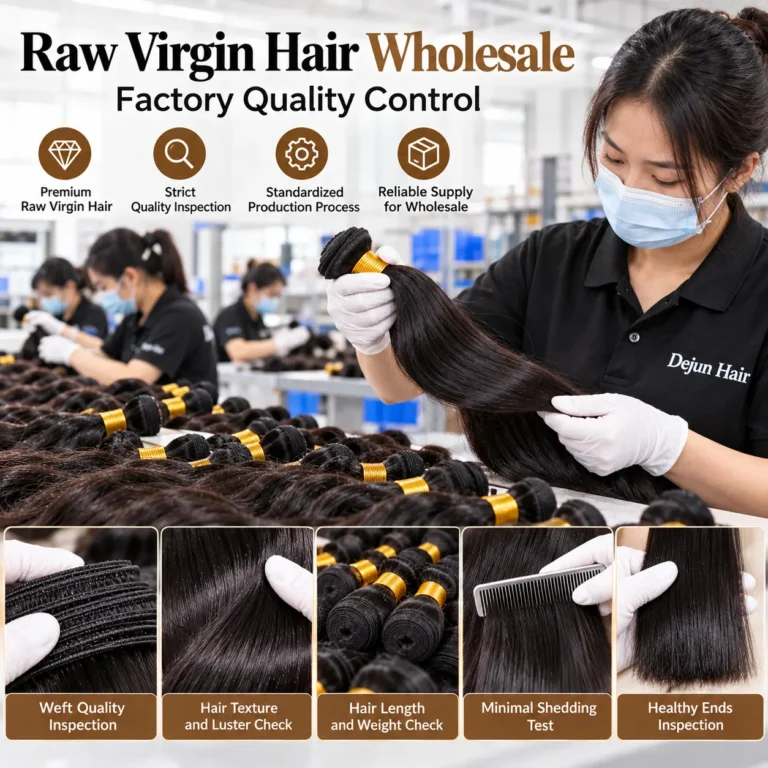
All of our products have undergone production and quality control and come with certificates
Fast Delivery
Our supply chain management is a model of standardization and professionalism in the wig manufacturing industry, ensuring that our customers receive their wigs on time.
Customer Service
Fill out the wig order form to customize your base, size, hair length, and color.